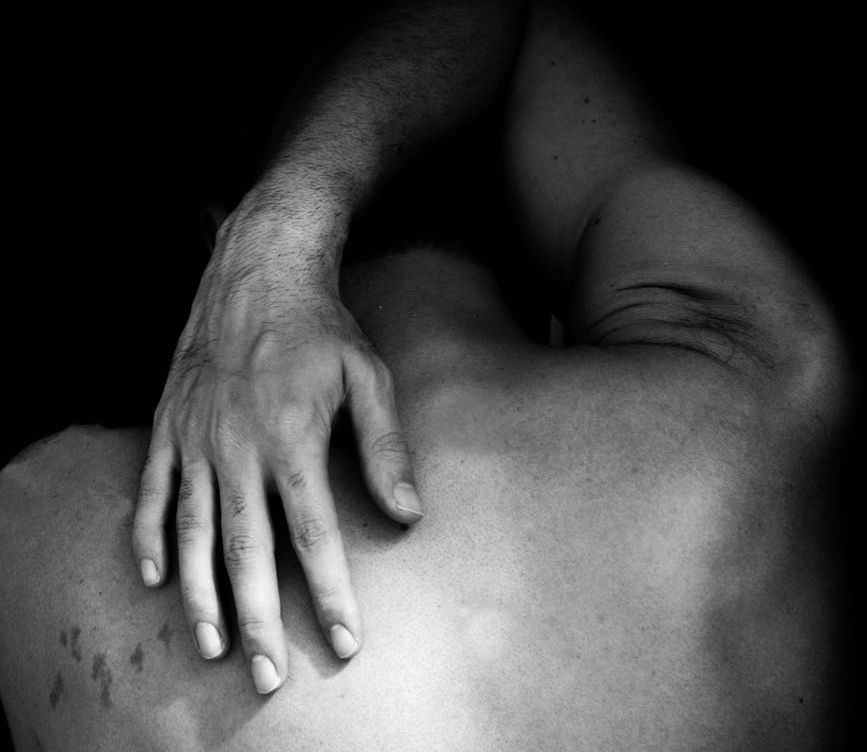
Lately, I’ve found myself writing from a much more personal place—one that feels tender, honest, and deeply lived. These aren’t just words anymore; they are pieces of my journey, moments I’ve been sitting with, and gently working through. Writing has become a space where I can lay things down before God, process them, and slowly begin to understand them. My prayer is that as you read, you feel seen, comforted, and reminded that you are not walking your journey alone. In this season, my struggle has been with my body. I’ve wrestled with how it looks, how it feels, and the way it hasn’t been able to stay well lately. I’ve found myself grieving the strength it once carried so naturally—the strength that now feels different, weaker, more fragile. My body has felt achy, worn, and at times unfamiliar. If I’m being completely honest, there have been moments it hasn’t even felt like a safe place to be. And still… I’ve kept going. I placed expectations on myself to push through, even when my body was clearly asking for rest. Somewhere along the way, I began to believe that rest was weakness—that slowing down meant falling behind. So, I ignored the quiet warnings. I pushed past the exhaustion, trying to keep showing up, keep doing, and keep being everything I felt I needed to be. But, I’m beginning to see it differently now, that exhaustion wasn’t something to overcome—it was my body trying to speak. After being sick back to back and gently forced into a small, unexpected season of rest, a statement settled deeply into my heart—one I couldn’t ignore:
When we betray our bodies..
It’s easy to feel like our bodies have betrayed us when they are in pain, when they are sick, or when they don’t function the way they once did. But what if, in our striving and pushing, we’ve been the ones doing the betraying? What if ignoring the need for rest, for care, for stillness… is its own kind of neglect?
I’m learning that our bodies are not our enemies—they are gifts. They are temples created with intention, deserving of care, gentleness, and honor. And maybe listening—truly listening—is one of the most loving, God-honoring things we can do. I want to share with you what I’m learning in this space. Not from a place of arrival, but from a place of surrender. Not with all the answers, but with an open heart.
So wherever you find yourself today—tired, striving, healing, or simply trying to listen a little more closely-I invite you to walk through this with me.

Betrayal is the violation of trust—when something meant to be honored is ignored or dismissed. So, when our bodies send us messages to rest, to slow down, to pull back, to breathe, or even to take a day just to be—and we choose to ignore those signals—aren’t we, in some way, betraying them? Our bodies were created to communicate with us. They signal what they need in order to keep us safe, steady, and well. When we don’t listen, we begin to break the trust our bodies place in us to care for them intentionally, to respond with attentiveness, and to honor the need for stillness when it arises.
Our bodies need us to listen. They carry the responsibility of sustaining us, protecting us, and helping us endure. But when we override their signals, we make their job harder. I’ve had to come to terms with this in my own life.
I betrayed my body by not listening to what it was trying to tell me. I kept going because I didn’t want to disappoint others, even at the expense of myself. I would wake up exhausted, feeling like I had nothing left to give, and still push forward. I pushed until I felt weak and until my immune system seemed worn down and more susceptible to illness. I understand that our bodies can become sick—it’s part of being human. I also believe our bodies are better equipped to fight, to recover, and to restore when they are well cared for and fully rested.
I’m learning now that listening is not a luxury—it’s a necessity.
And maybe this isn’t about shame or regret, but about grace. A gentle invitation to return, to listen more closely, and to rebuild trust with the very body that has been trying to care for us all along.
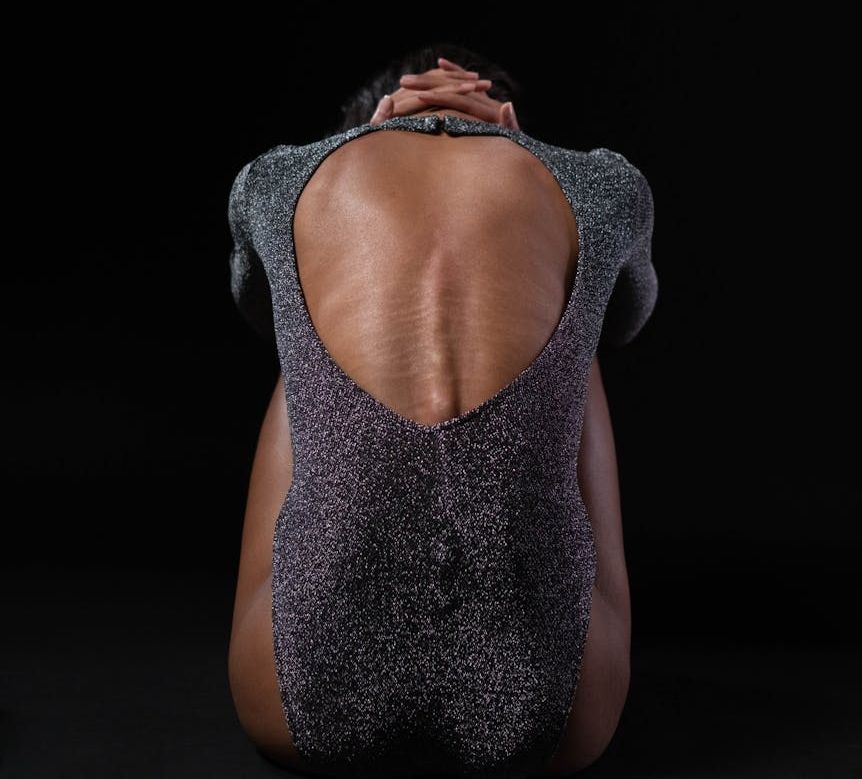
I want to share this with all the gentleness I can offer. When our bodies have endured deep trauma, we often learn to ignore their messages. We developed a high threshold for pain and endurance—because we had to survive. When our bodies were mistreated, especially when no one was there to protect us, it could leave us feeling powerless to protect them even now. Sometimes, it feels easier to disconnect. In quiet ways, we may even feel frustration toward our own bodies—as if they somehow failed us when we needed them most. We often carry shame because, as children, we felt we could not protect our small, vulnerable bodies from harm. It can leave us with the quiet, lingering belief that maybe we weren’t brave enough. But the truth is, we were too young to understand something so important: the bravest thing we could have done was not fight. We were not weak, and we were not simply compliant. We were doing the very best we could to protect ourselves from further harm. In ways we may not have recognized then, we were resisting. We were surviving. Even without physical strength or the ability to fight back, we were keeping our little selves as safe as possible. Our bodies, in their wisdom, held what we could not yet speak. They carried the memories of trauma, storing them quietly in the places where the pain was endured. And so, as we grew—our bodies changing, strengthening, taking on new life—those hidden places often remained untouched, waiting to be acknowledged. But this does not mean our bodies are weak. It reveals just how incredibly strong they are. When triggers arise, they are not signs of failure; they are messages. Gentle signals from within, inviting us to notice, to tend, and to explore what still needs care. They are reminders that something inside us is ready to be seen, held, and, in time, healed.



 Uplift
Leave a reply to abhinthulasidas Cancel reply