
There is so much within my heart that I could say, but I want to move forward gently, with tenderness and grace. My hope is that beneath every word your eyes read, you will hear the heart that carries them. I pray that what comes through most clearly is not criticism, but love—love for the church and love for the people who faithfully serve within it. Everything I share comes from a sincere place, shaped by my own lived experiences and personal observations along the way. These words are not meant to be taken as the gospel or presented as absolute truth. They are simply reflections from my heart—offered humbly and with care. You may receive them in whatever way they resonate with you. Perhaps some of it will feel familiar to your own journey, and perhaps some of it may not. Either way, this is simply my heart being placed into words. So, with that spirit, I want to gently share a few things I wish church leaders knew. This is not written to single out pastors alone, but to lovingly speak to anyone who carries the responsibility of leadership within the church in any capacity. My hope is not to point fingers, but to extend an invitation—an invitation to reflect, to listen, and to consider the hearts of those who sit in the pews week after week. The church holds a sacred place in the lives of many, and because of that, conversations like these matter. They are born from a deep love for the church and a desire to see it continue to be a place where people feel seen, valued, and deeply cared for. Stay with me on this journey and read a little bit of my heart.

I understand that leaders carry many responsibilities and that their attention is often pulled in many directions. Yet caring for the people who call your ministry home is not a small task on a long list—it is the very heartbeat of the church. The body of believers should never feel invisible simply because they are no longer sitting in the same seat each Sunday.
People need to know they are missed. They need to know they mattered beyond filling a chair or participating in a program. Something as simple as a call, a card, or a text message can communicate a powerful truth: you are seen, you are valued, and you are still part of this family.
It is wise for every ministry to have a system of care—people intentionally reaching out to those who seem to have quietly disappeared. We should never assume someone is simply staying home or that their absence has no deeper story. Regardless of the reason, love should move us to make sure they are okay.
After all, Jesus made it clear that the one matters. In the parable of the lost sheep, the shepherd left the ninety-nine to go after the one who had wandered away (Luke 15:4). If Christ was willing to pursue the one, surely we can make a phone call, send a card, or write a simple message that says, “I’ve been thinking about you. I’ve missed seeing you. Is there anything I can pray for you about?” Some people stop attending because they are struggling. Some are hurting, sick, discouraged, or carrying an offense they do not know how to voice. There are countless reasons why someone may quietly step away. But the responsibility of love remains the same—we must be bold enough to reach out. And when we do, it should be done with sincerity and fairness. Care should never feel selective or reserved for only a few. Every person who calls the church home deserves to feel valued, remembered, and loved. When the church lives out this kind of compassion, it honors both the people who attend and the sacred calling God has given His church—to be a place where every soul is seen, cared for, and gently held within the love of Christ.
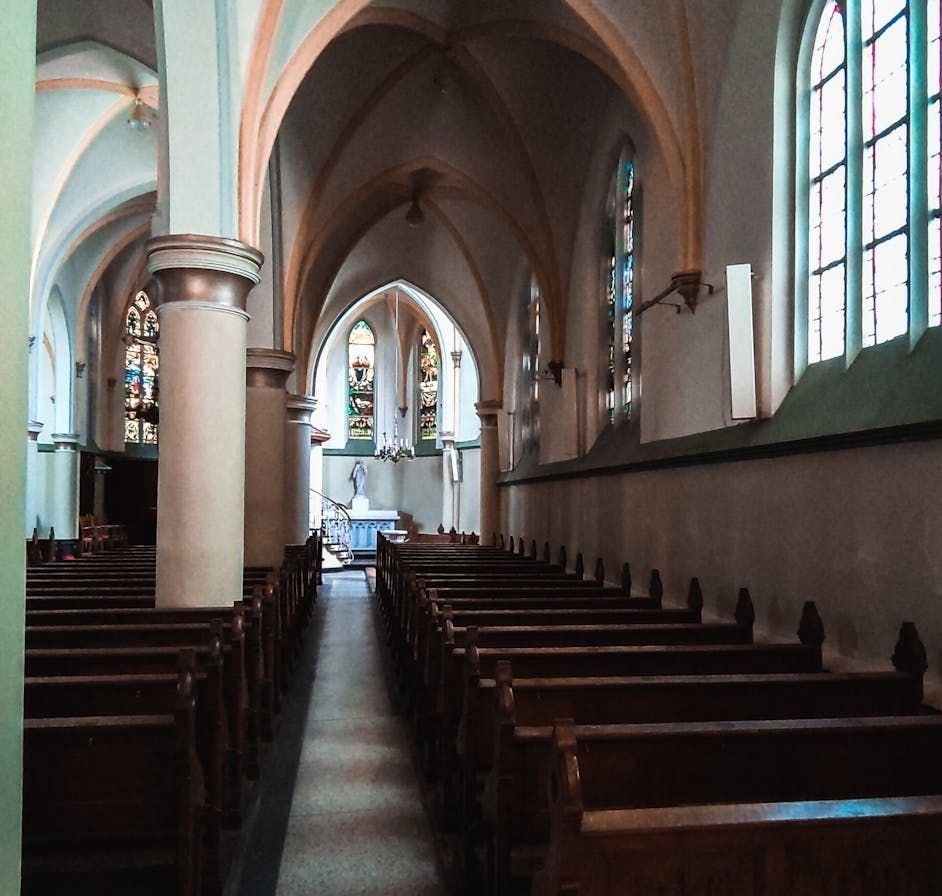
Please hear this with gentleness—it is okay to seek healing. It is okay to take care of your heart, too. Many leaders carry their own stories of pain or trauma into their leadership roles. Often, this happens quietly and unintentionally. Yet when those wounds remain unattended, parishioners—who come looking for guidance, safety, and hope—can sometimes end up deeply hurt by leaders who have never been given the space, or the permission, to tend to their own healing.
This is not meant as criticism, but as a loving reminder: your heart matters too.

The last thing I would gently share with church leaders is this: if you are called to pastor all people, then you must be willing to do the work that comes with that calling. When a ministry serves diverse cultures and communities, it should thoughtfully reflect that diversity in both heart and practice.
Loving and leading people from different cultural backgrounds requires intentional effort. It may look like taking time to learn cultural norms, listening with humility, and engaging in honest, sometimes uncomfortable conversations. But this work matters deeply, and it is worth doing with your whole heart.
We cannot lead people well if we do not seek to truly understand them. Many communities carry deep, generational wounds, and without awareness, we can unintentionally speak or act in ways that reopen those wounds—even from the pulpit. Though it may never be the intention, the impact is still real, and the pain is still felt.
So I gently encourage you: lean in, stay open, and remain teachable. The work may be stretching, but it is sacred. And through it, we create spaces where all people feel seen, valued, and safely led.

I believe there are things that need to be said, yet so often they remain unspoken. Many of us sit quietly in the pews, carrying the weight of silence—not because we don’t care, but because we care deeply. At times, I have wrestled with the fear that speaking honestly might come across as dishonor or disrespect. But I’ve come to understand that it is not just what is said—it is the posture of the heart in which it is spoken. When words come from a place of sincere love for the Church, they are not meant to tear down, but to build up. And sometimes, the places where it stings a little are simply the places where something tender is being invited to grow and change.
So I offer these words gently, with love and with hope.
My prayer for you is that you would take a deep breath, rest for a moment, and allow yourself to exhale in the light. You are seen. You are welcomed. You are honored here.

 Uplift
Leave a comment