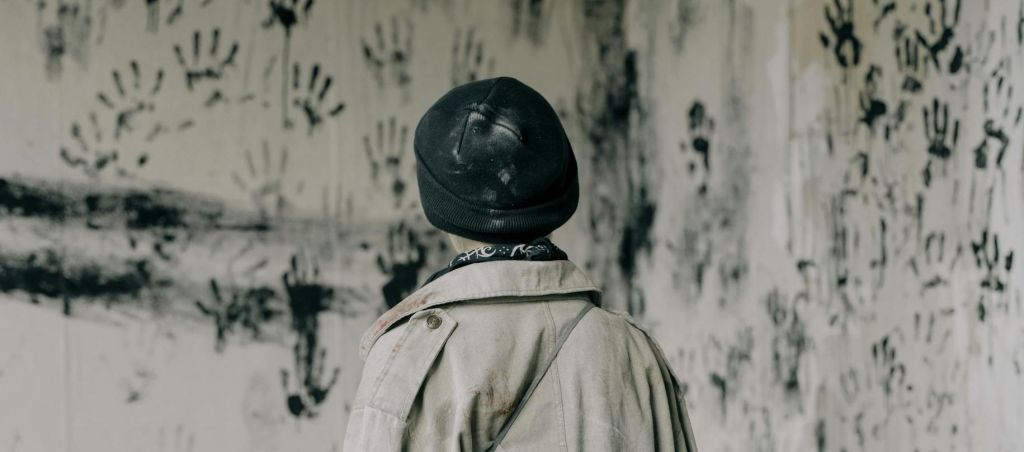
Little boys experience trauma too—more often than we acknowledge.
Pause and really let that truth settle in.
Little boys can be sexually abused.
Little boys can be physically and emotionally mistreated.
Little boys can grow up wrestling with the same long-term PTSD that we more commonly associate with girls and women.
Yes, we absolutely must continue advocating for girls and women, but we cannot overlook the silent suffering of boys. Every day, young boys are being deeply wounded—and far too often, those wounds go unseen, unspoken, and untreated.
Boys are being raised in homes where dysfunction is the norm. They are witnessing violence, absorbing fear, and carrying emotional and physical scars that reshape how they see themselves and the world around them. Some are ignored or emotionally abandoned, their needs never fully met, their voices never heard.
Little boys need validation—from both their fathers and their mothers. They need someone to remind them that their feelings matter, their experiences matter, and they matter.
As a mother raising a son, I’ve learned that boys often bury their pain. Things said to them at school, harsh words spoken in anger, moments of fear or shame—they tuck those experiences away, deep inside, because they believe they must stay strong or silent. But silence doesn’t mean healing. Silence often becomes a heavy weight they drag into adulthood.
Childhood trauma doesn’t disappear just because a boy grows up. It reshapes how he trusts, how he feels, how he loves, and how he understands himself. Trauma may look different in men than in women, but the impact is just as real and just as lasting.
It’s time to talk about it.
To listen.
To validate.
To care.
Because little boys become men—and the wounds we ignore today become the struggles they carry tomorrow.

Adverse Childhood Experiences (ACEs) — U.S. Adults
Data from the CDC’s Behavioral Risk Factor Surveillance System (BRFSS) (2011–2020):
- Emotional abuse: ~34% of men reported emotional abuse before age 18.
- Physical abuse: ~24% of men reported physical abuse.
- Sexual abuse: ~7% of men reported childhood sexual abuse.
Childhood Sexual Abuse Specific Estimates
- Some research and advocacy sources estimate that at least 1 in 6 men have experienced sexual abuse or assault at some point in their lives (childhood or adulthood).
- After sitting with these statistics, I was struck by how many men are quietly carrying the weight of childhood trauma into their adult lives. Too often, the world overlooks the reality that men experience abuse at alarmingly high rates—or acknowledges it without truly understanding what it looks like when a man is trying to navigate trauma, heal, and survive in silence.
- Effects in Men:
- • Large national surveys indicate:
- • ~1.7% of men have been raped in their lifetime.
- • ~23.4% of men have experienced other forms of sexual trauma (e.g., sexual coercion).
- • Studies also show long-term psychological and interpersonal effects in adult men who experienced sexual trauma.
- • Men who experience sexual trauma are more likely to develop PTSD, depression, and substance use problems than men without such experiences.
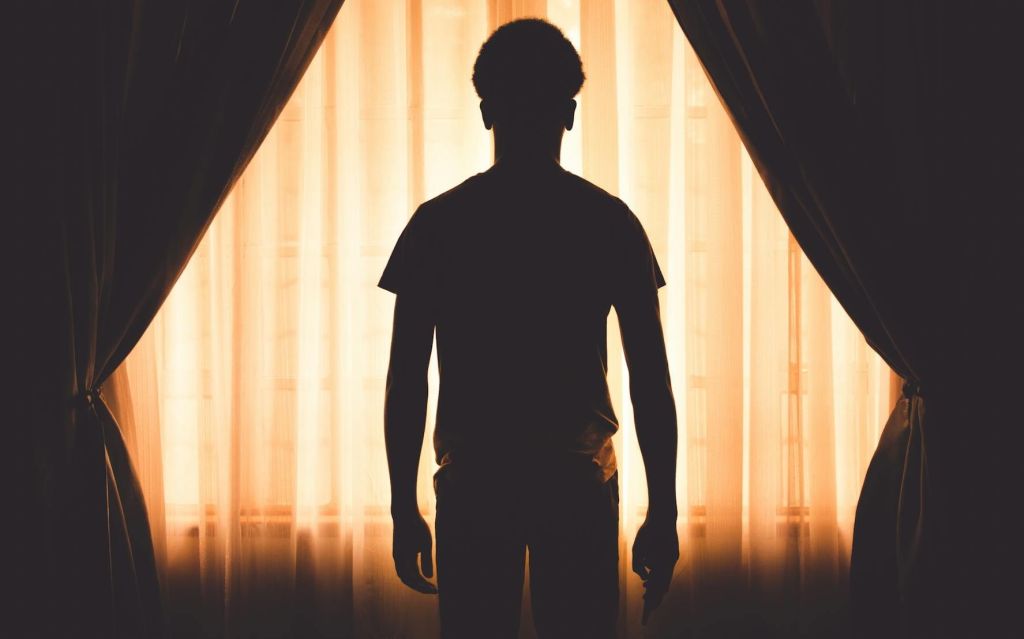
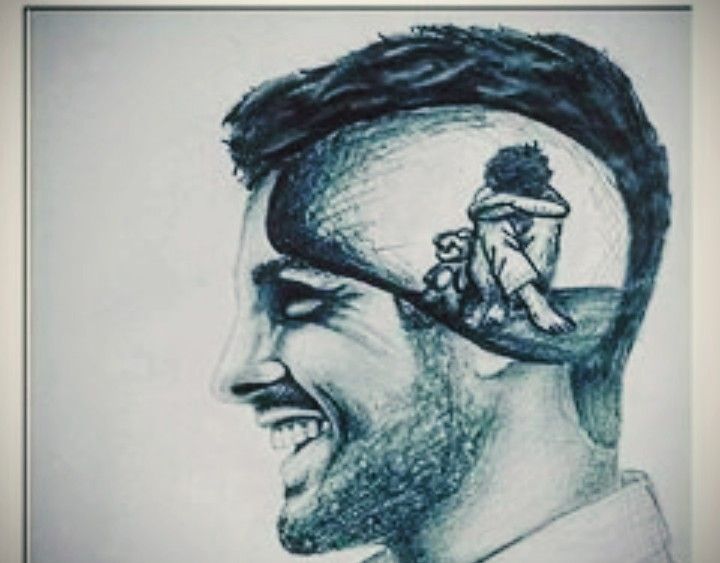
It is hard to accept that many boys grow up being yelled at, called degrading names, ignored, or physically abused—and that pushing those memories out of their minds did not make the pain disappear. So when these boys grow into men who act out, all we see is anger. When they become abusive themselves, we fail to recognize the wounded child within—the little boy raging at himself because he was powerless to stop what was happening to him. The boy who was too small to protect his mother from violence. The boy who believed he could keep her safe by absorbing the pain himself.
Men who grow up carrying trauma inside are hurting just as deeply as women who grow up carrying childhood trauma. It might not look the same but it’s still trauma. We have this unrealistic expectation of men. If we’re honest we view them as superhuman. There are times when they find the courage to show their emotions but we don’t know how to hold that moment as sacred. We don’t realize what it took for them to offer that up for us. We don’t know the trust they had to build with us to allow vulnerability to seep out through all of the ideas of what society has said a man should be. Men need the attention of their fathers but they also desperately need the attention of their mothers. I love it when my son invites me into his world by sharing his emotions with me. I love that our relationship is a safe space for him. I also equally love when he invites my husband into his world. I love how my husband has held our son in his arms and wrestled with him. I think that my husband’s arms being a safe place for him, teaches him that his arms can create safe spaces for the family he will have one day.
We have never told our son that affection and vulnerability were signs of weakness. I still believe that our response to them when they show us that vulnerable side determines if we ever see it again. As a little boy, our son’s tears were accepted in our home and honored. I didn’t want him to be a macho man with no feelings and suppressed emotions but, I wanted him to be a well-rounded good man who can be vulnerable and strong all at onetime.

 Uplift
Leave a comment